

How to Buy a B1 Certificate: A Comprehensive Guide
In today's globalized world, accreditations like the B1 language certificate hold considerable value. Whether for instructional purposes, professional advancement, or migration requirements, a B1 certificate frequently functions as the key to opening a world of opportunities. But when telc b1 certificate pertains to getting this accreditation, some individuals look for alternative methods to obtain it, such as buying one. In this article, we'll explore what a B1 certificate is, its significance, and the legal and ethical factors to consider associated with buying one.
What is a B1 Certificate?
A B1 certificate is a standardized proof of language efficiency at the B1 level as defined by the Common European Framework of Reference for Languages (CEFR). The B1 level represents an intermediate level of language fluency. According to CEFR guidelines, somebody at the B1 level need to:
Be able to understand the main points of clear standard input on familiar topics.
Manage scenarios most likely to occur in areas such as work, school, or travel.
Produce basic connected text on subjects of personal interest.
Describe experiences, events, dreams, and hopes and give short descriptions or opinions.
These competencies make the certificate an important credential for educational organizations, companies, and migration authorities.
Why is the B1 Certificate Important?
The B1 certificate can serve numerous purposes depending on the context:
Migration and Residency Applications: Several nations need a B1 language accreditation as part of their visa or residency application procedure to show that candidates can incorporate into society.
Educational Requirements: Many universities and scholastic institutions mandate a minimum B1 level of language efficiency for admission into specific programs or courses.
Profession Opportunities: Multinational business frequently try to find workers who excel in the regional or working language. A certified B1 qualification can give candidates that additional edge.
Can You Buy a B1 Certificate?
The brief answer is yes, however not without making complex legal, ethical, and useful implications. The idea of "purchasing" a B1 certificate generally describes obtaining a certificate without undergoing the real language efficiency test. While there are doubtful online vendors declaring to offer legitimate certificates, it's essential to approach such offerings meticulously.
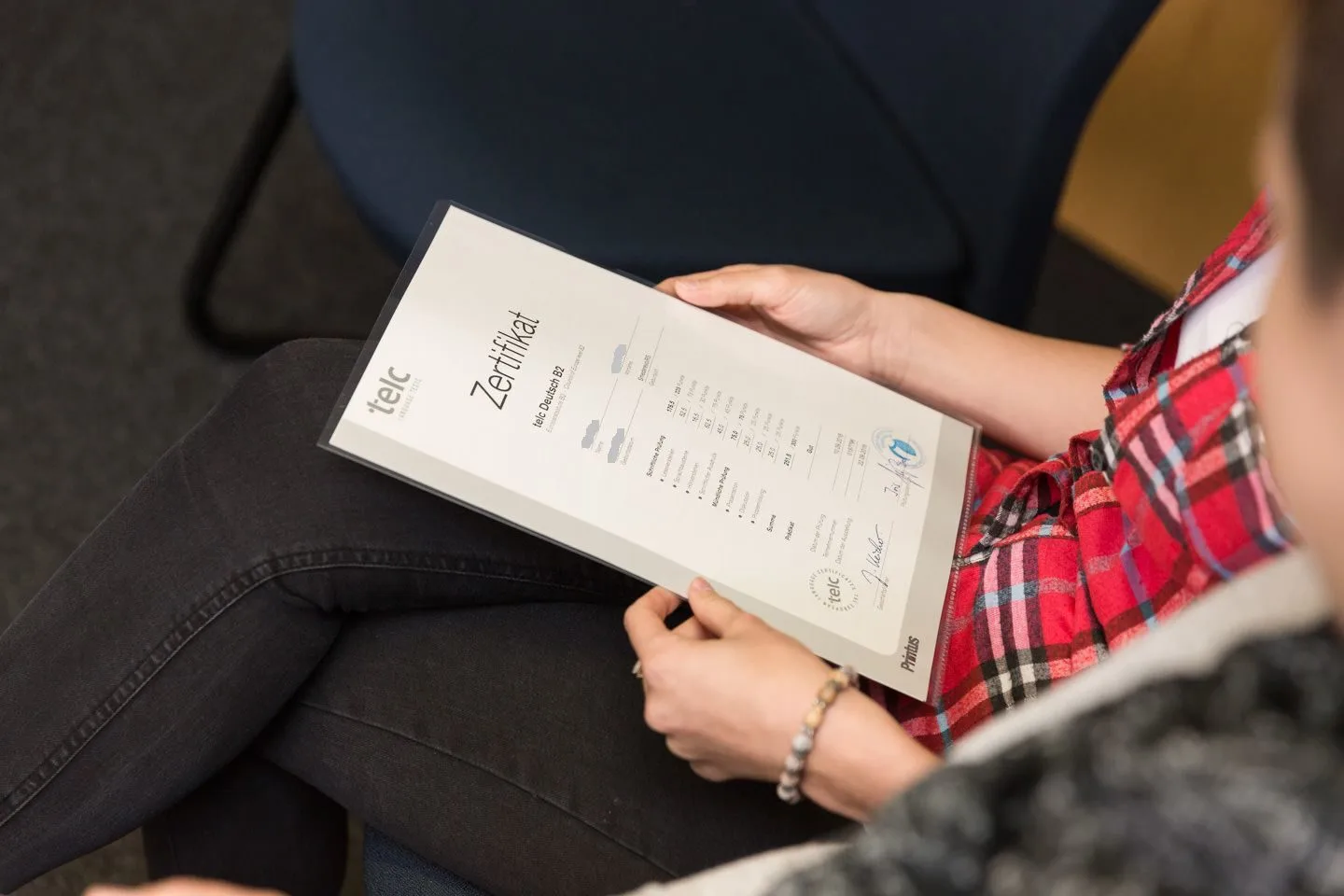
1. Dangers of Buying a B1 Certificate
Legal Consequences: Purchasing a phony or unofficial certificate might include forgery or fraud, both of which have severe legal implications. Immigration authorities, universities, and employers often bring out stringent confirmation processes to ensure the credibility of sent documents.
Ethical Concerns: A certificate is implied to validate your abilities. Acquiring one dishonestly weakens the whole accreditation system and disrespects those who strove to attain the credentials through legitimate methods.
Practical Limitations: Even if you manage to obtain a fake B1 certificate, you may still be required to demonstrate your language skills eventually, whether in an interview, oral exam, or workplace situation. Without genuine efficiency, the certificate might hold little useful worth.
2. Why You Should Avoid Buying a B1 Certificate
Ultimately, the cost of buying a fake certificate may outweigh the effort needed to accomplish one through honest means. The majority of trusted certification service providers, such as Cambridge English, Goethe-Institut, or TELC, deal transparent and available paths to make a B1 certificate. Putting in the time to prepare for and pass the real test not only provides you a genuine document however likewise guarantees you have the skills to back it up.
How to Obtain a Legitimate B1 Certificate
If you're major about obtaining a B1 certificate, here's how to do it the proper way:
1. Select Your Certification Provider
There are a number of widely known companies that provide main language tests for the B1 level, such as:
Cambridge English (Preliminary English Test).
Goethe-Institut (for German language accreditation).
DELF B1 (for French language certification).
TELC (The European Language Certificates).
Ensure you select a service provider acknowledged in the country or company appropriate to your needs.
2. Get ready for the Test.
Buy research study resources to efficiently develop your language abilities:.
b1 zertifikat kaufen legal in language courses: Many organizations provide specific training for B1 level exams.
Usage textbooks and research study guides: These frequently provide mock tests and structured study plans.
Practice frequently: Engage in speaking, composing, listening, and reading exercises.
3. Register for the Exam.
Official screening companies provide set up exam dates and areas worldwide. Select one that works for you and sign up ahead of time. The majority of organizations charge a small charge for the exam, which is far less dangerous than acquiring a dubious certificate.
4. Pass the Test.
On the designated date, take the exam and offer your best effort. With adequate preparation, you'll make your B1 certificate through a truthful and satisfying procedure.
Conclusion.
While the temptation to buy a B1 certificate might appear appealing for its convenience, the dangers far surpass the possible benefits. Acquiring a legitimate certificate not only ensures compliance with legal requirements but also improves your individual and professional reliability. Instead of looking for ways to buy one, invest your energy and time into establishing real language abilities. After all, real fluency deserves even more than any purchased piece of paper.